
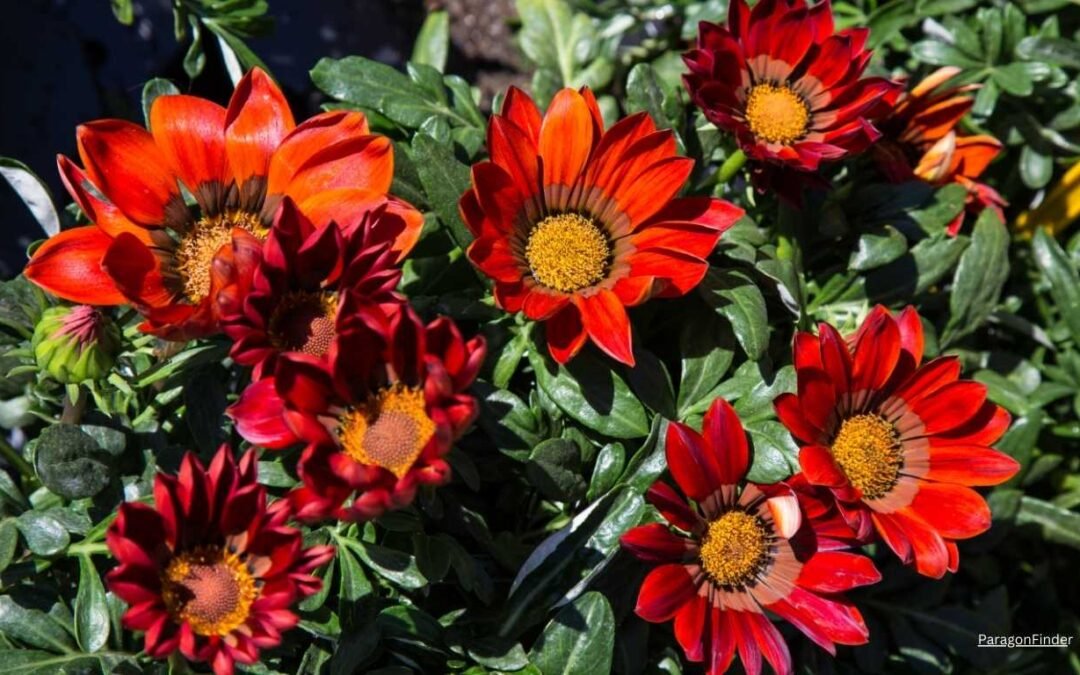
Angiosperms, commonly known as flowering plants, are the most diverse group of land plants. They are distinguished by their unique reproductive structures called flowers, and they play a crucial role in the world’s ecosystems and human life. This article delves into the fascinating world of angiosperms, exploring their characteristics, classification, evolution, and significance.

What is an Angiosperm?
An angiosperm is a type of plant that produces flowers and seeds enclosed within a fruit. The term “angiosperm” comes from the Greek words “angeion,” meaning container or vessel, and “sperma,” meaning seed. This name highlights the defining feature of angiosperms: their seeds develop inside an ovary, which matures into a fruit.
Angiosperms are found in nearly every habitat on Earth, from the deepest forests to the highest mountains, and even in aquatic environments. They include a vast array of plant forms, such as trees, shrubs, grasses, and herbs.
Characteristics of Angiosperms
1.Flowers
The most distinctive feature of angiosperms is their flowers. Flowers are the reproductive structures that facilitate the union of male and female gametes. They typically consist of petals, sepals, stamens, and carpels. The stamens produce pollen, while the carpels contain the ovary, which houses the ovules.
2.Fruits
Fruits are another hallmark of angiosperms. After fertilization, the ovary develops into a fruit, which protects the seeds and aids in their dispersal. Fruits come in various forms, including fleshy fruits like apples and berries, and dry fruits like nuts and grains.
3.Vascular Tissues
Angiosperms possess well-developed vascular tissues, including xylem and phloem, which transport water, nutrients, and sugars throughout the plant. This efficient vascular system allows angiosperms to grow taller and larger than many other plant groups.
4.Double Fertilization
A unique feature of angiosperm reproduction is double fertilization. One sperm cell fertilizes the egg cell, forming a zygote, while another sperm cell fuses with two other nuclei to form a triploid cell, which develops into the endosperm. The endosperm provides nourishment to the developing seedling.
Classification of Angiosperms
Angiosperms are classified into two major groups: monocots and dicots, based on the number of seed leaves (cotyledons) they possess.
1.Monocots
Monocots, or monocotyledons, have a single cotyledon. They typically exhibit parallel leaf venation, and their flower parts are usually in multiples of three. Common examples of monocots include grasses, lilies, orchids, and palm trees.
2.Dicots
Dicots, or dicotyledons, have two cotyledons. They generally display a branching leaf venation pattern, and their flower parts are often in multiples of four or five. Examples of dicots include roses, sunflowers, oak trees, and beans.
Evolution of Angiosperms
The origin and evolution of angiosperms have long been subjects of scientific intrigue. Fossil evidence suggests that angiosperms first appeared around 140 million years ago during the Early Cretaceous period. Their rapid diversification and success can be attributed to several factors:
1.Coevolution with Pollinators
Angiosperms have coevolved with a variety of pollinators, such as bees, birds, and bats. The mutualistic relationships between angiosperms and their pollinators have driven the diversification of both groups. Flowers have evolved various shapes, colors, and scents to attract specific pollinators, enhancing reproductive success.
2.Efficient Seed Dispersal
The development of fruits allowed angiosperms to disperse their seeds over wide areas. Fruits entice animals to consume them, and the seeds are subsequently dispersed through the animals’ droppings. This mechanism has enabled angiosperms to colonize diverse habitats.
3.Adaptations to Different Environments
Angiosperms have developed numerous adaptations to thrive in various environments. These include specialized root systems, leaves adapted to different light conditions, and mechanisms to withstand extreme temperatures and drought.
The Importance of Angiosperms
Angiosperms play a vital role in ecosystems and human society. Their significance can be appreciated in several areas:
1.Ecological Role
Angiosperms form the foundation of most terrestrial ecosystems. They provide food and habitat for a multitude of organisms, from insects to mammals. They also play a key role in the carbon cycle, absorbing carbon dioxide during photosynthesis and releasing oxygen.
2.Food Source
Angiosperms are the primary source of food for humans. Most of our staple crops, such as wheat, rice, corn, and fruits, are angiosperms. They also provide important secondary products like oils, spices, and beverages.
3.Medicinal Uses
Many angiosperms possess medicinal properties and have been used in traditional and modern medicine. Plants like foxglove, willow, and periwinkle have provided compounds for drugs used to treat heart disease, pain, and cancer.
4.Economic Value
Angiosperms contribute significantly to the global economy. They are a source of timber, fibers, rubber, and other raw materials. The horticulture and floriculture industries also rely heavily on angiosperms.
Personal Research Insights on Angiosperms
Conducting personal research on angiosperms can deepen our understanding of these remarkable plants. Here are a few interesting findings from recent studies:
1.Climate Change Impact
Research indicates that climate change is affecting the distribution and phenology of angiosperms. Some species are flowering earlier in response to rising temperatures, which can disrupt the timing of pollinator activities and impact ecosystem dynamics.
2.Genetic Diversity
Studies on the genetic diversity of angiosperms reveal the importance of preserving their genetic resources. Genetic diversity within species is crucial for adaptation to changing environments and disease resistance. Conservation efforts are essential to protect rare and endangered angiosperm species.
3.Phytoremediation
Certain angiosperms have been identified as effective agents for phytoremediation, the use of plants to clean up contaminated environments. Plants like sunflowers and mustard have shown potential in removing heavy metals and pollutants from soil and water.
4.Pollinator Decline
The decline of pollinator populations poses a significant threat to angiosperms. Research highlights the need for conservation strategies to protect pollinators, such as creating pollinator-friendly habitats and reducing pesticide use.
5.Biotechnological Advances
Advances in biotechnology are enabling scientists to manipulate the genetic makeup of angiosperms for various purposes. For instance, genetically modified crops have been developed to improve yield, pest resistance, and nutritional content.
Conclusion
Angiosperms, with their diverse forms and vital roles, are truly remarkable components of the natural world. From their intricate flowers to their evolutionary success, they have captivated scientists and nature enthusiasts alike. Understanding angiosperms not only enriches our knowledge of plant biology but also underscores the importance of conserving these essential plants for the health of our planet and future generations. By continuing to study and protect angiosperms, we ensure the sustainability and resilience of ecosystems and human societies.