
Flowers have always held symbolic meanings in cultures around the world. They are often used to convey emotions and messages in a way that words sometimes cannot. While many flowers are associated with positive sentiments such as love, beauty, and joy, others carry more somber connotations. When it comes to the question, “What flower represents death?” the answer can vary depending on cultural contexts, traditions, and personal interpretations. This article delves into the various flowers that are commonly linked to death, explores their meanings, and offers insight into how they are used in different cultures.
The Classic Symbol: The Lily
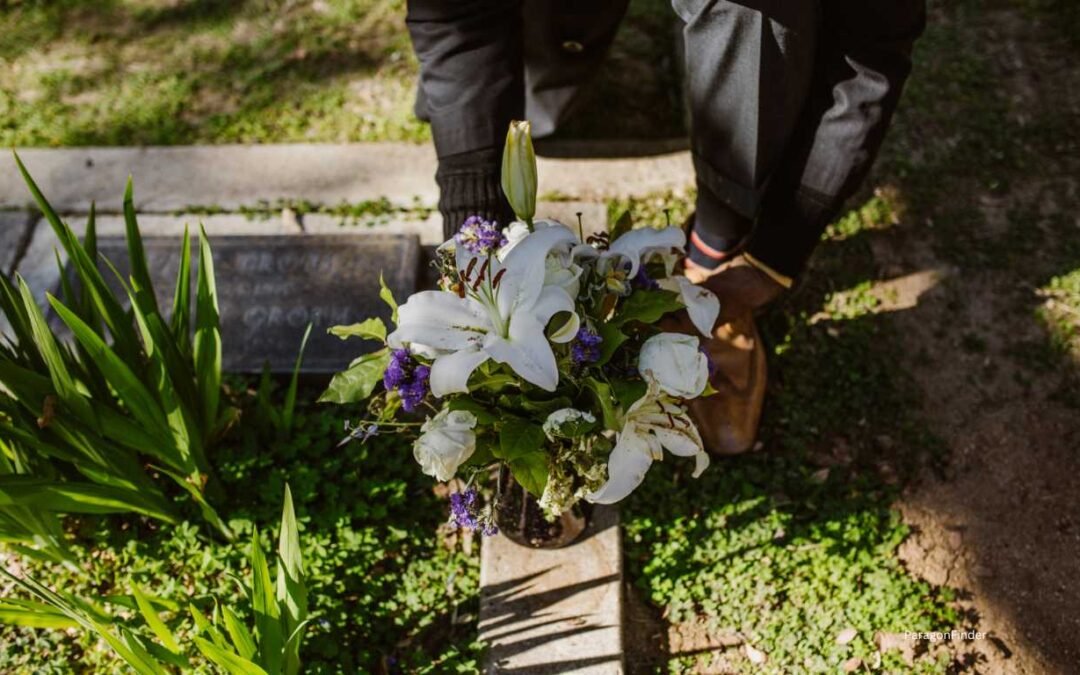
The lily is perhaps the most well-known flower associated with death, particularly in Western cultures. White lilies are often seen at funerals and memorial services. The serene white petals of the lily symbolize the restored innocence of the soul of the deceased. In Christian symbolism, the lily is also associated with the Virgin Mary and resurrection, making it a fitting flower for commemorating the deceased and offering comfort to the grieving.
The peace and purity symbolized by the lily make it a powerful emblem of the afterlife. Its presence at funerals can provide a sense of solace, suggesting that the departed has moved on to a more tranquil state of being. The association of lilies with death is so strong that seeing them outside of a funeral context can sometimes evoke thoughts of mortality and loss.
Chrysanthemums: A Global Perspective
Another flower that represents death is the chrysanthemum. This flower’s significance varies widely across cultures. In many European countries, chrysanthemums are exclusively associated with death and are used primarily in funeral arrangements and on graves. Their somber reputation is reinforced by the fact that they bloom in the late fall, around the time of All Saints’ Day and All Souls’ Day, which are dedicated to remembering the dead.
In Asian cultures, particularly in Japan and China, chrysanthemums carry a more nuanced meaning. While they can symbolize death and mourning, they also represent longevity and rejuvenation. The chrysanthemum is even the official seal of the Japanese emperor, symbolizing the eternal nature of the monarchy. This duality makes chrysanthemums a fascinating flower to consider when thinking about death, as they embody both the end and the persistence of life.
Marigolds: The Vibrant Connection to the Afterlife
Marigolds hold a special place in the symbolism of death, particularly in Mexican culture. During the Day of the Dead (Día de los Muertos) celebrations, marigolds, or cempasúchil, are used to honor deceased loved ones. The bright orange and yellow flowers are believed to guide the spirits back to the world of the living. The vibrant color and strong scent of marigolds are thought to attract the souls of the dead, helping them find their way to the altars prepared by their families.
The use of marigolds in these celebrations highlights a unique perspective on death. Rather than viewing it solely as an end, Día de los Muertos embraces death as a natural part of life, a time to remember and celebrate those who have passed away. Marigolds, with their bright and cheerful appearance, reflect this joyous and respectful approach to death.
The Poppy: Remembrance and Sacrifice
The poppy is another flower that represents death, particularly in the context of war and remembrance. Red poppies became a symbol of the fallen soldiers after World War I, inspired by the famous poem “In Flanders Fields” by Lieutenant Colonel John McCrae. The poem describes how poppies grew over the graves of soldiers in Flanders, a region heavily affected by the war.
Each year on Remembrance Day (November 11th), people in many countries wear red poppies to honor those who died in military service. The poppy serves as a poignant reminder of the sacrifice and loss that come with war. Its delicate yet resilient nature mirrors the fragility and enduring spirit of those who gave their lives in combat.
Roses: A Dual Symbol of Love and Loss
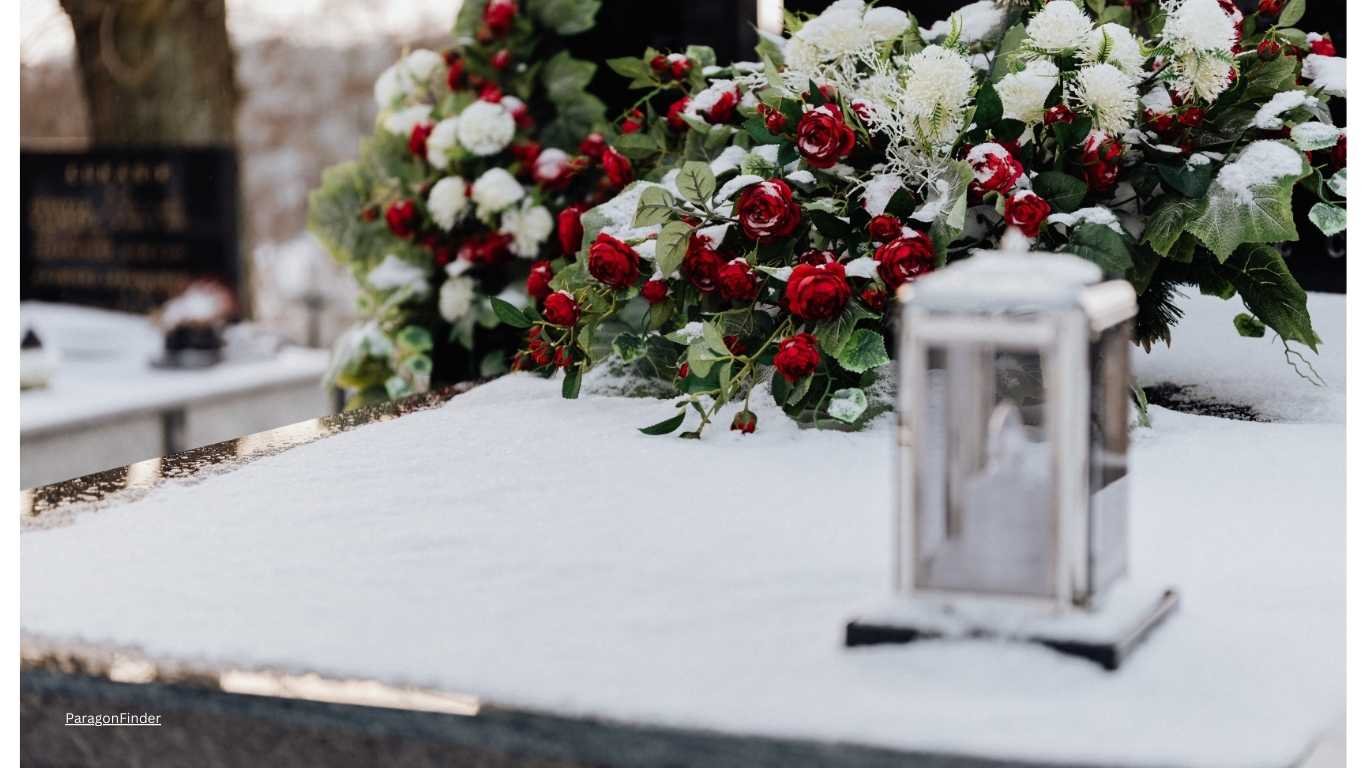
Roses, particularly black or dark-colored ones, are sometimes associated with death and mourning. While roses are most commonly linked to love and passion, their darker shades can evoke a sense of finality and farewell. Black roses, often dyed or bred to achieve their dark hue, symbolize the end of a significant chapter, eternal rest, or the mourning of a lost love.
In literature and art, black roses frequently appear as symbols of tragic romance or unfulfilled desires, blending the themes of love and death in a poignant way. This dual symbolism makes the rose a powerful flower for expressing the complex emotions surrounding death.
Carnations: Variations in Meaning
Carnations are another flower with varied associations with death. In some cultures, particularly in parts of Europe and Latin America, white carnations are used in funeral wreaths and memorial arrangements. They symbolize pure love and innocence, making them a suitable choice for honoring the deceased.
In Korea, white carnations have a more specific role. They are used during funeral ceremonies to show respect for the departed and to express condolences to the grieving family. The delicate, frilled petals of the carnation add a touch of elegance to somber occasions, offering a visual representation of the love and memories shared with the departed.
The Orchid: Elegance and Endurance
Orchids, especially white ones, are sometimes chosen for funeral arrangements due to their association with eternal love and beauty. The exotic and delicate nature of orchids makes them a symbol of refined sentiments and deep respect. In some cultures, they represent a final farewell and the hope that the deceased will find peace and tranquility in the afterlife.
Orchids also have a reputation for their resilience and longevity, which can be comforting to those mourning a loss. They remind us that while life is delicate, its impact can be long-lasting and beautiful.
The Cypress: A Tree of Mourning
While not a flower, the cypress tree is worth mentioning due to its strong association with death and mourning. In many Mediterranean cultures, cypress trees are planted in cemeteries and around gravesites. The tall, slender trees are evergreen, symbolizing eternal life and the enduring nature of the soul.
Cypress trees have been linked to mourning since ancient times. In Greek and Roman mythology, the cypress was associated with the underworld and was considered sacred to Hades, the god of the dead. This historical connection reinforces the tree’s role as a symbol of death and the afterlife.
Personal Reflections on Flowers and Death
When considering what flower represents death, it’s essential to recognize that personal experiences and cultural backgrounds significantly influence our perceptions. For some, the sight of a particular flower at a loved one’s funeral can forever link that bloom to memories of loss and mourning. For others, flowers associated with death might offer comfort and a sense of connection to those who have passed away.
Flowers have a unique ability to evoke emotions and memories. Their transient beauty mirrors the fleeting nature of life, making them fitting symbols for both mourning and remembrance. While lilies, chrysanthemums, marigolds, poppies, roses, carnations, and orchids each have their associations with death, they also carry individual stories and meanings for those who choose them.
In my own experience, the marigold’s vibrant role in Día de los Muertos celebrations has always struck a chord. The idea of death as a time for reflection, joy, and familial connection resonates deeply with me. It serves as a reminder that death, while sorrowful, is also a part of life to be acknowledged and celebrated.
Ultimately, the flower that represents death for each person may differ, shaped by their unique encounters with loss and their cultural traditions. Whether offering solace, remembrance, or a connection to the past, flowers remain a profound and enduring way to honor those who have left us.
Conclusion
The question of “what flower represents death” does not have a singular answer. Instead, it encompasses a variety of blooms, each carrying its symbolism and significance across different cultures and personal experiences. From the somber elegance of lilies and chrysanthemums to the vibrant celebration of marigolds and the poignant remembrance of poppies, flowers provide a rich tapestry of meanings related to death and mourning.
By understanding the diverse associations of these flowers, we can better appreciate their roles in our rituals and memories of those who have passed away. Whether used to express grief, celebrate life, or offer comfort, the flowers we choose help us navigate the complex emotions surrounding death, making them an integral part of our journey through loss and remembrance.