

As an avid gardener with a passion for vibrant, sun-loving flowering plants, I’ve spent countless hours cultivating various species that thrive in abundant sunlight. Through trial and error, I’ve learned the secrets to nurturing these plants to create a garden that bursts with color and life. In this comprehensive guide, I’ll share my personal experiences and insights to help you grow your own stunning sun-loving flowering plants.
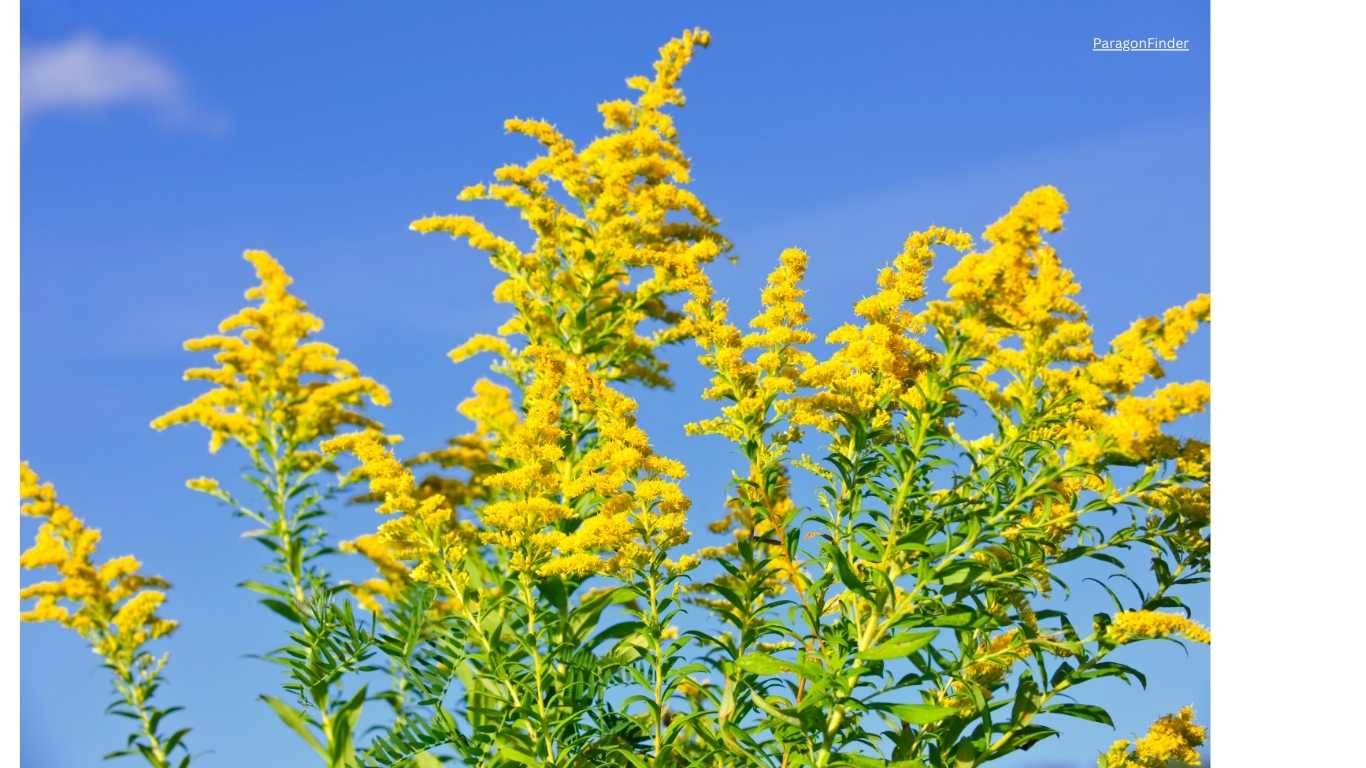
Why Choose Sun-Loving Flowering Plants?
Sun-loving flowering plants are an excellent choice for gardeners looking to create a bright, inviting garden. These plants flourish in direct sunlight, often producing more vibrant blooms and lush foliage compared to their shade-loving counterparts. Some of the main benefits include:
1. Prolific Blooms: Sun-loving plants tend to have more abundant and longer-lasting flowers.
2. Diverse Varieties: There is a vast array of species to choose from, catering to different tastes and garden styles.
3. Low Maintenance: Many sun-loving plants are hardy and resistant to pests and diseases, making them easier to care for.
Selecting the Right Sun-Loving Flowering Plants
Choosing the right plants for your garden is crucial to ensure they thrive. Here are some of my favorite sun-loving flowering plants that have consistently brightened up my garden:
1. Marigolds (Tagetes)
Marigolds are a staple in my garden. These hardy annuals are incredibly easy to grow and provide a stunning display of orange, yellow, and red blooms. They are also known for their pest-repellent properties, making them a great companion plant for vegetables.
2. Zinnias (Zinnia elegans)
Zinnias are another favorite of mine. These annuals come in a wide range of colors, from bright reds and pinks to soft pastels. Zinnias are perfect for cutting gardens, as they make beautiful arrangements and last long in a vase.
3. Lavender (Lavandula)
Lavender is a must-have for any sun-loving garden. This perennial not only adds a pop of purple to your landscape but also fills the air with its soothing fragrance. Lavender is drought-tolerant and attracts pollinators like bees and butterflies.
4. Sunflowers (Helianthus annuus)
Nothing says summer like a field of towering sunflowers. These annual giants can reach impressive heights and produce large, cheerful blooms that follow the sun. Sunflowers are also a great source of seeds for birds and other wildlife.
5. Coneflowers (Echinacea)
Coneflowers are robust perennials that thrive in full sun. With their distinctive cone-shaped centers and drooping petals, they add a unique charm to any garden. Coneflowers come in various colors, including pink, purple, and white.
Planting and Caring for Sun-Loving Flowering Plants
To ensure your sun-loving flowering plants reach their full potential, it’s important to follow proper planting and care techniques. Here’s what I’ve learned through my gardening journey:
Soil Preparation
Most sun-loving plants prefer well-drained soil. Before planting, I like to enrich my garden beds with compost or well-rotted manure to improve soil fertility and drainage. Testing the soil pH is also a good idea; most of these plants thrive in slightly acidic to neutral soil (pH 6.0-7.0).
Planting Tips
When planting sun-loving flowering plants, spacing is key. Overcrowding can lead to poor air circulation and increase the risk of disease. I always refer to the seed packet or plant label for recommended spacing.
Watering
While these plants love the sun, they also need regular watering, especially during dry spells. I’ve found that a deep watering once or twice a week is more effective than frequent shallow watering. Mulching around the base of the plants helps retain moisture and suppress weeds.
Fertilizing
Sun-loving plants are often heavy feeders. I use a balanced, slow-release fertilizer at the start of the growing season and supplement with liquid feed every few weeks during the blooming period. Organic options like compost tea or fish emulsion work well too.
Deadheading and Pruning
To encourage continuous blooms, I regularly deadhead spent flowers. For perennials like lavender and coneflowers, light pruning after flowering helps maintain their shape and vigor.
My Personal Experience with Sun-Loving Flowering Plants
One of my most memorable experiences with sun-loving flowering plants was transforming a neglected corner of my backyard into a vibrant flower bed. The area received full sun for most of the day, making it perfect for these types of plants.
The Transformation
I started by clearing the area of weeds and debris, then worked on improving the soil. After a soil test, I added compost and worked it into the top 6 inches of soil. With the ground prepared, I chose a mix of marigolds, zinnias, and sunflowers to create a layered effect.
Planting and Care
Planting day was exciting. I carefully spaced each plant according to its growth habits, ensuring enough room for air circulation. Watering was crucial during the initial weeks to help the plants establish strong roots. I also mulched generously to keep the soil cool and moist.
The Results
Within a few weeks, the transformation was evident. The marigolds formed a colorful border, the zinnias filled the middle layer with their vibrant blooms, and the sunflowers towered majestically at the back. The garden bed became a focal point, attracting butterflies, bees, and admiring glances from neighbors.
Common Challenges and How to Overcome Them
Gardening is not without its challenges, even with sun-loving flowering plants. Here are some common issues I’ve encountered and how to address them:
Pests
Aphids, spider mites, and whiteflies can be problematic. I’ve found that regular inspections and using insecticidal soap or neem oil helps keep these pests at bay. Companion planting with herbs like basil and marigold can also deter pests.
Diseases
Powdery mildew and root rot are common fungal issues. To prevent these, I avoid overhead watering and ensure good air circulation by spacing plants properly. Fungicidal sprays can be used as a last resort.
Extreme Weather
Heatwaves and droughts can stress sun-loving plants. During such times, I increase watering frequency and use shade cloth to protect young or particularly vulnerable plants. Mulching is especially beneficial in retaining soil moisture during dry periods.
Designing a Sun-Loving Flowering Plant Garden
Creating a garden with sun-loving flowering plants involves more than just picking the right species. Design and layout play a crucial role in achieving a visually appealing and functional garden.
Planning the Layout
When planning your garden, consider the mature size and growth habits of each plant. Taller plants like sunflowers should be placed at the back or center of the garden, with shorter plants like marigolds and zinnias in front. This tiered arrangement ensures all plants receive adequate sunlight.
Color Combinations
Mixing different colors can create a stunning visual impact. I like to use a combination of warm and cool colors to add depth and contrast. For instance, pairing yellow sunflowers with purple coneflowers and orange marigolds creates a vibrant, eye-catching display.
Seasonal Interest
Choose a mix of annuals and perennials to ensure continuous blooms throughout the growing season. Annuals like zinnias and marigolds provide quick color, while perennials like lavender and coneflowers offer long-term structure and interest.
Conclusion
Sun-loving flowering plants have the power to transform any garden into a radiant oasis. By selecting the right species, preparing the soil, and providing proper care, you can enjoy a garden that bursts with color and life. My personal experiences have taught me that with a bit of planning and effort, anyone can successfully grow these vibrant plants.
Whether you’re a seasoned gardener or just starting out, I hope this guide inspires you to embrace the beauty and resilience of sun-loving flowering plants. Happy gardening!