
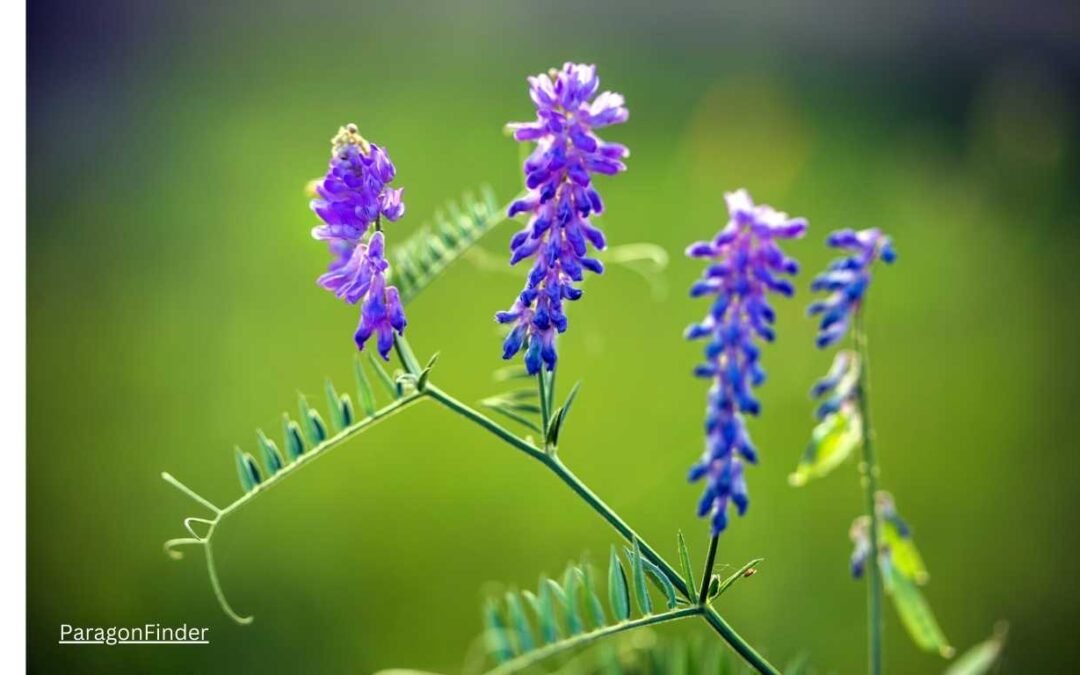
The enchanting world of wildflowers offers a palette of colors, each bringing a unique charm to the landscape. Among these, purple wildflowers stand out, their vibrant hues adding a touch of magic to meadows, woodlands, and gardens. Identifying these flowers can be both a rewarding and challenging experience. In this guide, we will delve into the basics of purple wildflower identification, providing tips and insights to help you recognize and appreciate these beautiful blooms.
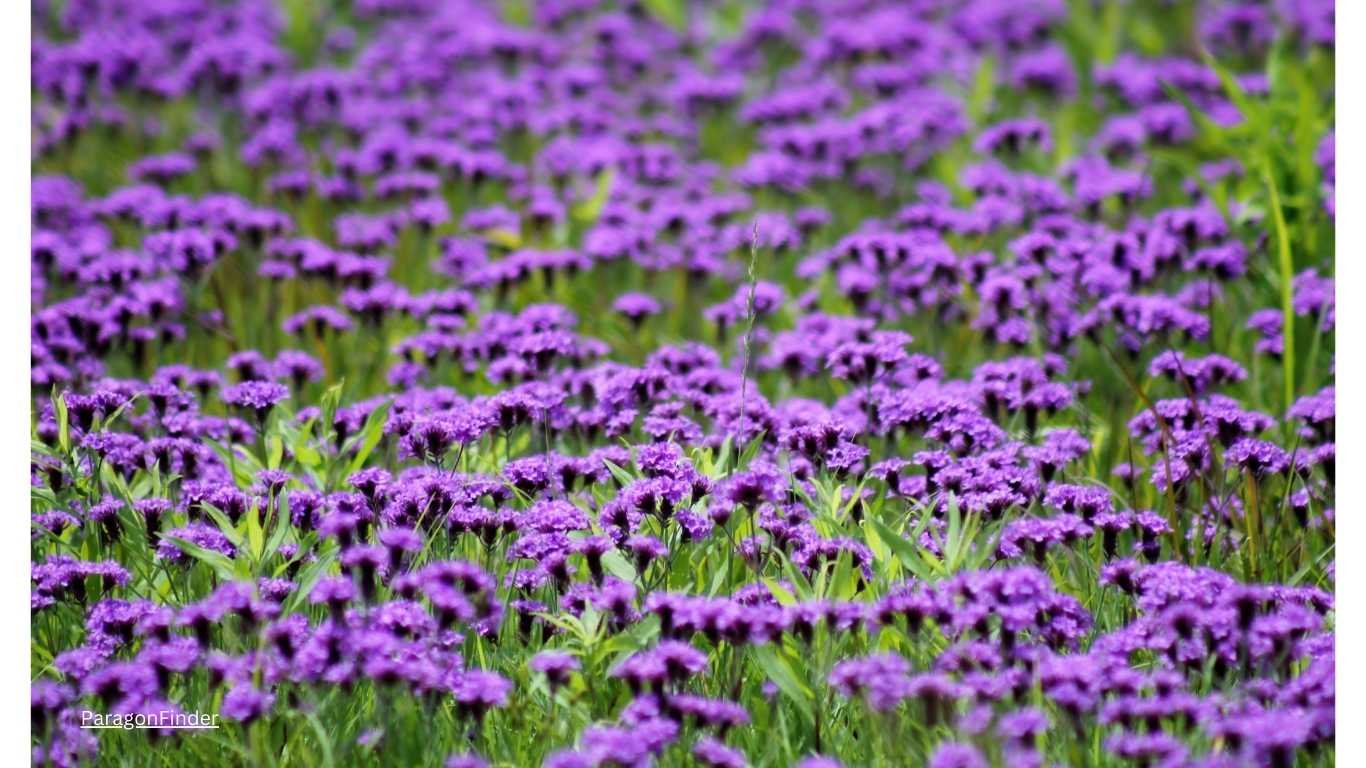
Introduction to Purple Wildflowers
Purple wildflowers are a diverse group, encompassing a wide range of species found in various habitats across the globe. These flowers can be found growing in meadows, forests, wetlands, and even along roadsides. The color purple itself is often associated with mystery, royalty, and magic, making purple wildflowers particularly captivating.
Why Identify Purple Wildflowers?
Identifying purple wildflowers is more than just a botanical exercise; it connects you to nature and enhances your outdoor experiences. By recognizing different species, you gain a deeper understanding of your environment and contribute to the conservation of local flora. Additionally, knowing which wildflowers are native to your area can help in creating a more sustainable and wildlife-friendly garden.
Basic Features for Purple Wildflower Identification
To successfully identify purple wildflowers, you need to observe several key characteristics:
1.Flower Shape and Structure: Flowers can have various shapes such as tubular, bell-shaped, or flat. Pay attention to the arrangement of petals and the overall structure.
2.Leaf Shape and Arrangement: Leaves can be simple or compound, and their arrangement on the stem (alternate, opposite, or whorled) can provide crucial identification clues.
3.Stem Characteristics: Note whether the stem is smooth, hairy, or has any distinctive markings.
4.Habitat: Different species thrive in different environments. Knowing the type of habitat where the flower grows can narrow down the possibilities.
5.Blooming Season: The time of year when the flower blooms is another important factor.
Common Purple Wildflowers
Let’s explore some common purple wildflowers that you might encounter:
1.Purple Coneflower (Echinacea purpurea)
The Purple Coneflower is a favorite among gardeners and wildflower enthusiasts. Recognizable by its large, daisy-like flowers with a prominent orange-brown cone, it blooms from mid-summer to fall. The petals are a beautiful shade of purple, which sometimes fades to pink.
- Habitat: Prairies, meadows, and open woods.
- Leaves: Broad and coarse, arranged alternately on the stem.
- Uses: Known for its medicinal properties and attractiveness to pollinators.
2.Lavender (Lavandula)
While not typically wild, lavender can escape cultivation and grow in the wild, especially in temperate regions. Its fragrant, spike-like flowers and silver-green foliage are distinctive.
- Habitat: Dry, sunny locations with well-drained soil.
- Leaves: Narrow, lanceolate, and aromatic.
- Uses: Widely used in aromatherapy, cosmetics, and as an ornamental plant.
3.Wild Bergamot (Monarda fistulosa)
Also known as bee balm, Wild Bergamot has tubular flowers that cluster together, forming a spherical shape. Its color ranges from light lavender to deep purple.
- Habitat: Meadows, prairies, and forest edges.
- Leaves: Oval, toothed, and aromatic when crushed.
- Uses: Attracts bees, butterflies, and hummingbirds. Leaves can be used to make tea.
4.Violets (Viola)
Violets are small, delicate flowers with heart-shaped leaves. They can vary in color but are often found in shades of purple.
- Habitat: Moist, shady areas such as woodlands and gardens.
- Leaves: Heart-shaped and often have a serrated edge.
- Uses: Edible flowers used in salads and as garnish.
Steps to Identify Purple Wildflowers
Here are some practical steps to help you identify purple wildflowers in the field:
1.Carry a Field Guide: A good wildflower field guide specific to your region can be incredibly helpful. These guides usually include pictures, descriptions, and habitat information.
2.Take Detailed Notes: When you encounter a wildflower, take notes on its features. Include information on the flower’s size, shape, color, leaf arrangement, and habitat.
3.Photograph the Flower: Capture clear, close-up photographs of the flower, leaves, and stem. Photos can be invaluable for later reference or when consulting with experts.
4.Compare with Known Species: Use your field guide or online resources to compare your findings with known species. Pay close attention to distinguishing characteristics.
5.Consult Experts: If you’re unsure about an identification, don’t hesitate to seek help from local botanists, wildflower societies, or online forums.
Advanced Identification Techniques
For those who wish to dive deeper into purple wildflower identification, there are advanced techniques and tools available:
1.DNA Barcoding
DNA barcoding involves analyzing a small section of the plant’s DNA to identify its species. This method is highly accurate and can be used to identify plants that are difficult to distinguish based on appearance alone. However, it requires specialized equipment and expertise.
2.Mobile Apps
There are several mobile apps designed for plant identification. These apps use image recognition technology to identify plants from photographs. Some popular apps include iNaturalist, PlantSnap, and PictureThis.
3.Herbarium Visits
Visiting a herbarium, a collection of preserved plant specimens, can provide a wealth of information. Comparing your samples with herbarium specimens can confirm identifications.
Creating a Purple Wildflower Garden
If you’re inspired to bring the beauty of purple wildflowers to your garden, here are some tips:
1.Choose Native Species: Opt for wildflowers that are native to your region. They are more likely to thrive and support local wildlife.
2.Prepare the Soil: Most wildflowers prefer well-drained soil. Amend your soil if necessary to improve drainage and fertility.
3.Provide Adequate Sunlight: Ensure your garden receives enough sunlight. Most purple wildflowers need full to partial sun to bloom.
4.Water Wisely: Wildflowers generally don’t need excessive watering. Water them deeply but infrequently to encourage deep root growth.
5.Avoid Pesticides: Pesticides can harm beneficial insects like bees and butterflies. Use organic methods to manage pests.
Conservation of Wildflowers
Conserving wildflowers is crucial for maintaining biodiversity and ecosystem health. Here are some ways you can contribute to wildflower conservation:
1.Support Conservation Organizations: Donate to or volunteer with organizations dedicated to preserving native plants and habitats.
2.Create Wildlife Habitats: Transform part of your yard into a habitat for wildflowers and the wildlife they support.
3.Participate in Citizen Science: Join citizen science projects that track and monitor wildflower populations.
4.Educate Others: Share your knowledge of wildflowers with friends, family, and your community. Encourage others to appreciate and protect these beautiful plants.
Conclusion
Purple wildflower identification is a fascinating and rewarding hobby that enhances your connection to nature. By learning to recognize different species, you not only enjoy the beauty of these flowers but also contribute to their conservation. Whether you’re a seasoned botanist or a curious beginner, there’s always something new to discover in the world of wildflowers. So next time you’re out for a walk in the woods or a stroll through a meadow, take a moment to appreciate the purple blooms around you and see how many you can identify.