
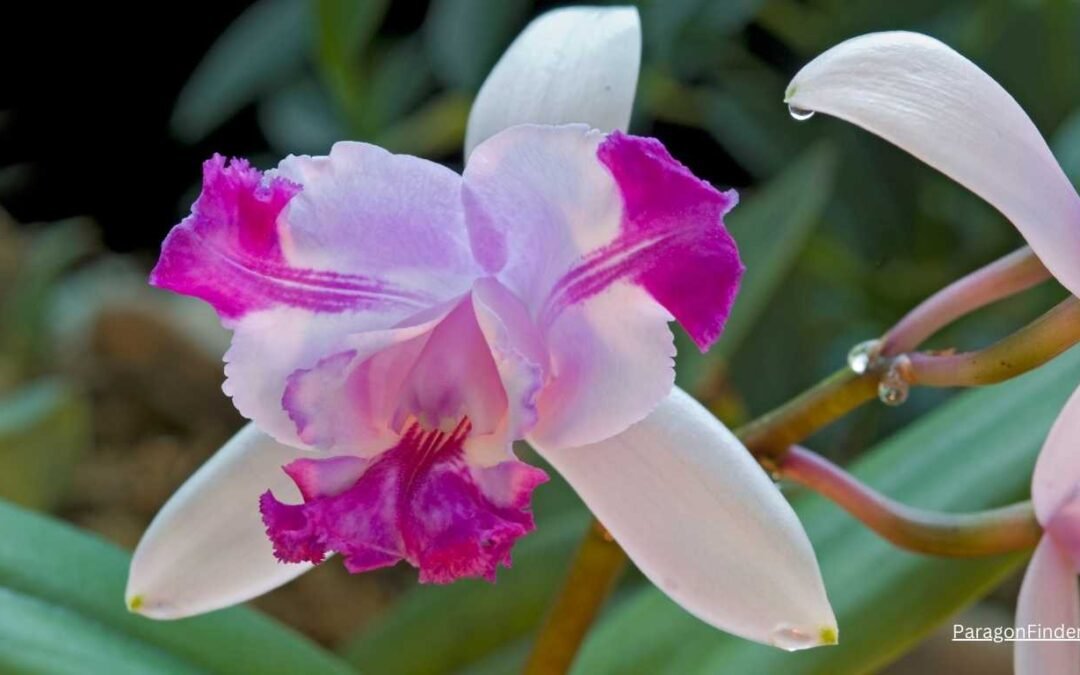
Flowers are one of nature’s most exquisite creations, capturing our attention with their vibrant colors, intricate patterns, and delightful fragrances. However, beyond their aesthetic appeal, flowers play a crucial role in the reproductive cycle of plants. To truly appreciate and understand flowers, one must delve into the science of flower part identification. This article aims to provide an in-depth, yet easy-to-understand, guide to identifying the various parts of a flower, highlighting their functions and significance.
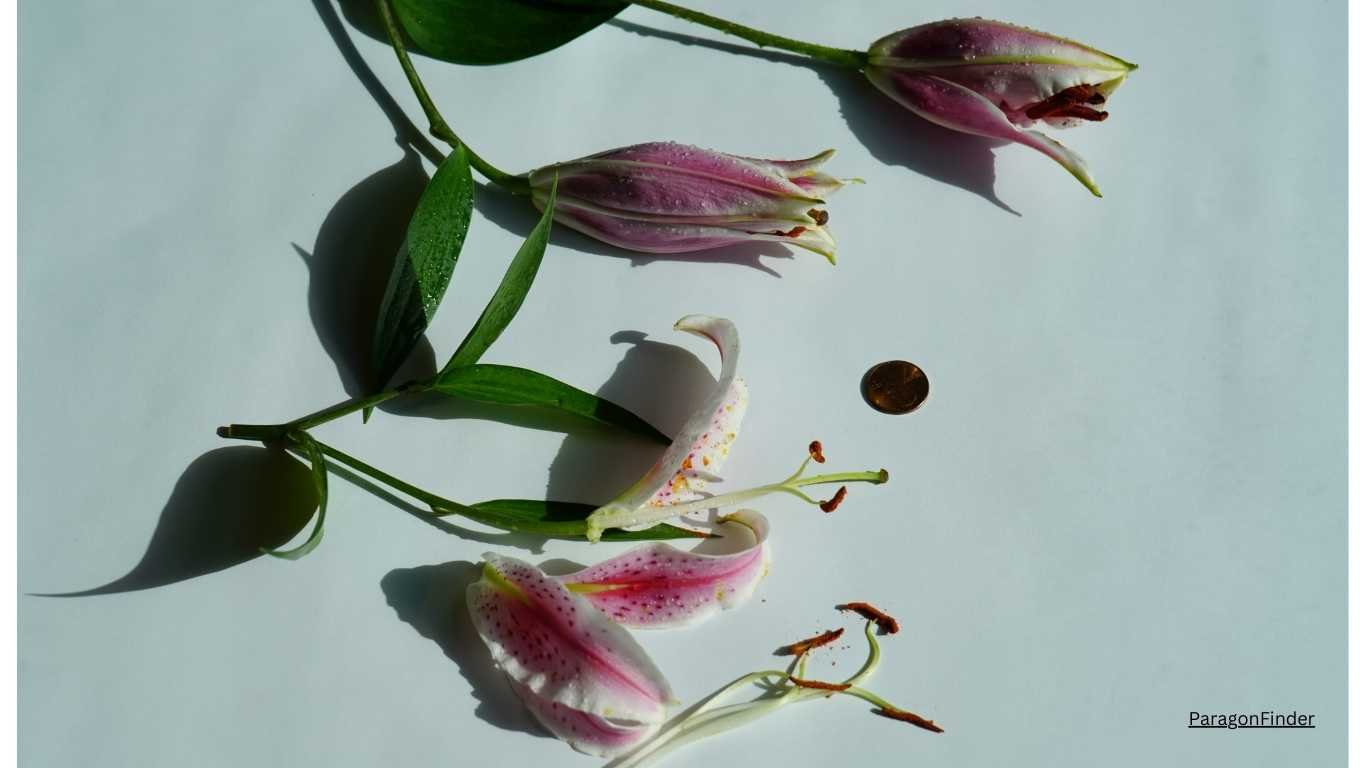
Introduction to Flower Anatomy
Flower part identification involves recognizing and understanding the different components that make up a flower. Flowers are the reproductive structures of angiosperms (flowering plants), and they have evolved in various shapes, sizes, and colors to attract pollinators and facilitate reproduction. Despite this diversity, most flowers share a common structure composed of several key parts.
The Basic Structure of a Flower
A typical flower consists of four main parts:
1.Sepals (Calyx)
2.Petals (Corolla)
3.Stamens (Androecium)
4.Carpels (Gynoecium)
Each of these parts plays a specific role in the flower’s life cycle and reproductive process.
Sepals: The Protective Layer
Sepals are the outermost parts of a flower, forming the calyx. They are typically green and leaf-like, serving as a protective layer for the flower bud before it opens. The primary functions of sepals include:
- Protection: Shielding the developing flower from physical damage and desiccation.
- Support: Providing structural support to the flower, especially in the early stages of development.
Identifying Sepals
Sepals are usually easy to identify due to their position at the base of the flower and their green color. However, in some flowers, sepals can be petal-like and colorful, making them less distinguishable.
Petals: The Attractors
Petals, collectively known as the corolla, are the most visually striking parts of a flower. They are often brightly colored and scented to attract pollinators such as bees, butterflies, and birds. The main functions of petals include:
- Attraction: Luring pollinators with their vibrant colors and enticing scents.
- Guidance: Directing pollinators to the reproductive organs through specific patterns and markings.
Identifying Petals
Petals are typically located inside the sepals and are more delicate and colorful. They vary widely in shape, size, and color, depending on the flower species.
Stamens: The Male Reproductive Organs
Stamens make up the androecium, the male part of the flower. Each stamen consists of two main components:
- Anther: The pollen-producing structure.
- Filament: The stalk that supports the anther.
The primary role of stamens is to produce and release pollen, which contains the male gametes necessary for fertilization.
Identifying Stamens
Stamens are usually found surrounding the pistil (female part of the flower). The anthers are often yellow or orange and are located at the tips of the filaments, making them relatively easy to identify.
Carpels: The Female Reproductive Organs
Carpels, collectively known as the gynoecium, constitute the female part of the flower. A single carpel or a group of fused carpels form a structure called the pistil, which consists of three main parts:
- Stigma: The sticky surface at the top of the pistil that captures pollen.
- Style: The stalk that connects the stigma to the ovary.
- Ovary: The enlarged base of the pistil that contains ovules, which develop into seeds after fertilization.
The primary role of carpels is to facilitate fertilization and seed development.
Identifying Carpels
Carpels are typically located at the center of the flower, surrounded by stamens. The stigma is usually elevated above the anthers, while the ovary is at the base.
The Role of Flower Parts in Pollination and Fertilization
Understanding flower part identification is crucial for grasping the processes of pollination and fertilization. These processes are vital for the reproduction of flowering plants and the production of seeds.
Pollination
Pollination is the transfer of pollen from the anther of a stamen to the stigma of a carpel. This can occur through various mechanisms:
- Wind Pollination: Pollen is carried by the wind to other flowers.
- Animal Pollination: Pollinators such as bees, butterflies, birds, and bats transfer pollen while visiting flowers for nectar.
Fertilization
Once pollen reaches the stigma, it germinates and grows a pollen tube down the style to the ovary, where fertilization occurs. The male gametes (sperm cells) travel through the pollen tube to the ovules, resulting in the formation of seeds.
Variations in Flower Structure
While the basic structure of flowers is consistent, there is considerable variation among different species. Understanding these variations is an important aspect of flower part identification.
Complete vs. Incomplete Flowers
- Complete Flowers: Contain all four main parts (sepals, petals, stamens, and carpels).
- Incomplete Flowers: Missing one or more of these parts.
Perfect vs. Imperfect Flowers
- Perfect Flowers: Contain both stamens and carpels.
- Imperfect Flowers: Contain either stamens or carpels but not both.
Monoecious vs. Dioecious Plants
- Monoecious Plants: Have both male and female flowers on the same plant (e.g., corn).
- Dioecious Plants: Have male and female flowers on separate plants (e.g., holly).
Practical Applications of Flower Part Identification
Flower part identification is not just an academic exercise; it has several practical applications in various fields.
Horticulture and Agriculture
Understanding flower anatomy helps horticulturists and farmers in:
- Breeding: Developing new flower varieties with desirable traits.
- Pollination Management: Enhancing crop yields by optimizing pollination techniques.
Botany and Ecology
Botanists and ecologists use flower part identification to:
- Classify Plants: Determine the relationships between different plant species.
- Study Ecosystems: Understand the interactions between plants and their pollinators.
Conservation
Conservationists rely on knowledge of flower anatomy to:
- Protect Endangered Species: Identify and preserve rare and endangered plants.
- Restore Habitats: Reestablish native plant species in degraded ecosystems.
Conclusion
Flower part identification is a fascinating and essential aspect of botany that enhances our understanding of plant reproduction and biodiversity. By recognizing and understanding the various parts of a flower, we can appreciate the intricate beauty and complexity of these natural wonders. Whether you are a student, gardener, or scientist, mastering flower part identification opens up a world of discovery and appreciation for the vital role flowers play in our ecosystems.
As we continue to explore and study flowers, we gain valuable insights into the interconnectedness of life and the importance of preserving the natural world. So, the next time you admire a flower, take a moment to look closer and identify its parts—you’ll be amazed at the intricate details and the stories they tell.