

Gardening is both an art and a science. Many of us find immense joy in growing our vegetables and flowers, creating a vibrant and productive garden. However, it’s crucial to know which plants complement each other and which do not. In my years of gardening, I’ve learned the hard way about certain flowers that should be avoided near vegetables. Here, I’ll share my personal experiences and insights on the “25 flowers to avoid planting near vegetables.”
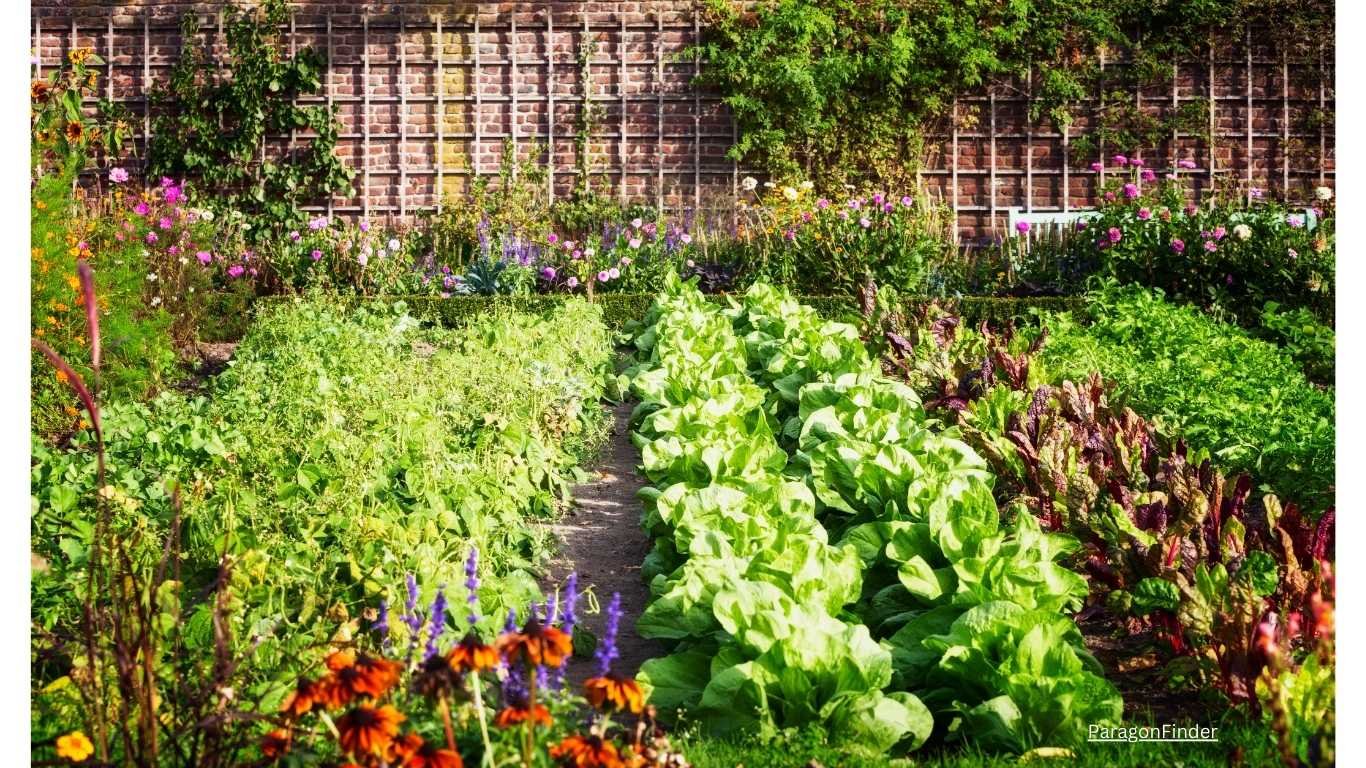
The Importance of Companion Planting
Companion planting involves pairing plants that mutually benefit each other. However, some plants, including certain flowers, can have adverse effects when planted near vegetables. They might compete for nutrients, attract pests, or release chemicals detrimental to vegetable growth.
1. Black Walnut
Black walnut trees and their flowers release juglone, a chemical harmful to many vegetables. In my garden, I noticed tomatoes and peppers wilting mysteriously until I removed nearby black walnut flowers.
2. Sunflowers
Sunflowers are beautiful but allelopathic, meaning they release chemicals that inhibit the growth of nearby plants. I once planted sunflowers near my lettuce, which resulted in stunted and yellowing plants.
3. Morning Glory
Morning glories, with their vigorous growth, can quickly smother and outcompete vegetables for sunlight and nutrients. I learned this lesson when my squash plants struggled under a tangle of morning glory vines.
4. Marigolds
Although marigolds are often beneficial for pest control, they can sometimes attract spider mites. These pests can then spread to nearby vegetable plants, as I experienced with my bean plants one summer.
5. Sweet Peas
Sweet peas may attract aphids, which can also infest your vegetables. I had a severe aphid problem in my garden when I planted sweet peas near my spinach.
6. Four O’Clocks
Four o’clocks are toxic to many insects, including beneficial ones like bees. When I planted them near my cucumbers, I noticed a significant drop in pollination.
7. Dahlias
Dahlias can attract thrips, tiny pests that damage both flowers and vegetables. My pepper plants suffered greatly from thrips when dahlias were nearby.
8. Zinnias
Zinnias can be a magnet for Japanese beetles, which can devastate your vegetable crops. I had a tough season with my corn and beans due to these beetles.
9. Petunias
While petunias can control some pests, they are susceptible to tobacco mosaic virus, which can spread to tomatoes and peppers. This happened to my tomatoes once, and I’ve avoided planting petunias nearby since.
10. Chrysanthemums
Chrysanthemums release chemicals that can inhibit the growth of certain vegetables, like lettuce and beans. I noticed a significant reduction in yield when I planted chrysanthemums near my bean rows.
11. Foxgloves
Foxgloves contain digitalis, which can be harmful if ingested and can also release chemicals that stunt the growth of nearby plants. My carrots never seemed to thrive when planted near foxgloves.
12. Larkspur
Larkspur can be toxic to many animals and plants. My zucchini plants didn’t perform well when I planted larkspur nearby.
13. Poppies
Poppies can attract aphids and other pests that harm vegetables. I found this out the hard way when my kale plants became infested.
14. Delphiniums
Delphiniums can also be toxic and inhibit the growth of vegetables. My broccoli struggled in the presence of delphiniums.
15. Hyacinths
Hyacinths, while beautiful, can release chemicals that are detrimental to vegetable growth. My radishes were weak and underdeveloped when hyacinths were nearby.
16. Tulips
Tulips can attract rodents that also damage vegetable roots. I lost a significant portion of my carrot crop due to burrowing rodents attracted by tulips.
17. Daffodils
Daffodils are toxic to many animals and can deter beneficial garden insects. My peas had poor pollination rates when planted near daffodils.
18. Peonies
Peonies can attract ants, which can spread to vegetable plants. I had a significant ant problem with my corn when peonies were nearby.
19. Lilies
Lilies can be toxic to animals and deter pollinators. My squash yields were low when lilies were in the same bed.
20. Irises
Irises can compete aggressively for nutrients, leaving vegetables struggling. My lettuce and spinach did poorly when irises were nearby.
21. Begonias
Begonias can attract pests like slugs and snails that also damage vegetables. My beans suffered a slug infestation due to nearby begonias.
22. Snapdragons
Snapdragons can attract spider mites, which can then spread to vegetable plants. My cucumbers were affected by spider mites when snapdragons were planted close by.
23. Gladiolus
Gladiolus can compete for nutrients and water, leading to poor vegetable growth. My tomatoes and peppers didn’t thrive with gladiolus nearby.
24. Roses
Roses can attract Japanese beetles, which are detrimental to many vegetables. I had a tough time controlling beetles on my beans and squash with roses nearby.
25. Camellias
Camellias can alter the soil pH, making it less suitable for vegetables. My kale and spinach had stunted growth when camellias were in the vicinity.
Personal Tips for Successful Gardening
Soil Preparation
Ensure your soil is well-prepared with organic matter and compost. Healthy soil supports robust plant growth and resilience against pests and diseases.
Spacing
Proper spacing is crucial to prevent competition for resources. Overcrowded plants are more susceptible to stress and pests.
Monitoring
Regularly check your garden for signs of stress, pests, or diseases. Early intervention can prevent minor issues from becoming major problems.
Beneficial Flowers
While the above flowers are to be avoided near vegetables, many others can be beneficial. Flowers like nasturtiums, calendula, and borage can attract beneficial insects and improve vegetable growth.
Crop Rotation
Practice crop rotation to prevent soil depletion and reduce pest and disease buildup. This involves changing the planting location of your vegetables each season.
Conclusion
Knowing which flowers to avoid planting near vegetables can save you time, effort, and disappointment. By understanding the relationships between different plants, you can create a harmonious and productive garden. In my experience, being mindful of these 25 flowers has significantly improved my vegetable yields and overall garden health. Happy gardening!