

Creating a beautiful garden in a shady area can seem challenging, but it’s entirely possible with the right selection of plants. Many stunning flowers thrive in less sunlight, bringing color and life to those shadowy spots in your yard. In this article, we’ll explore the best 10 flowers that thrive in shady gardens, drawing from personal experience and gardening expertise to help you transform your garden into a vibrant oasis.
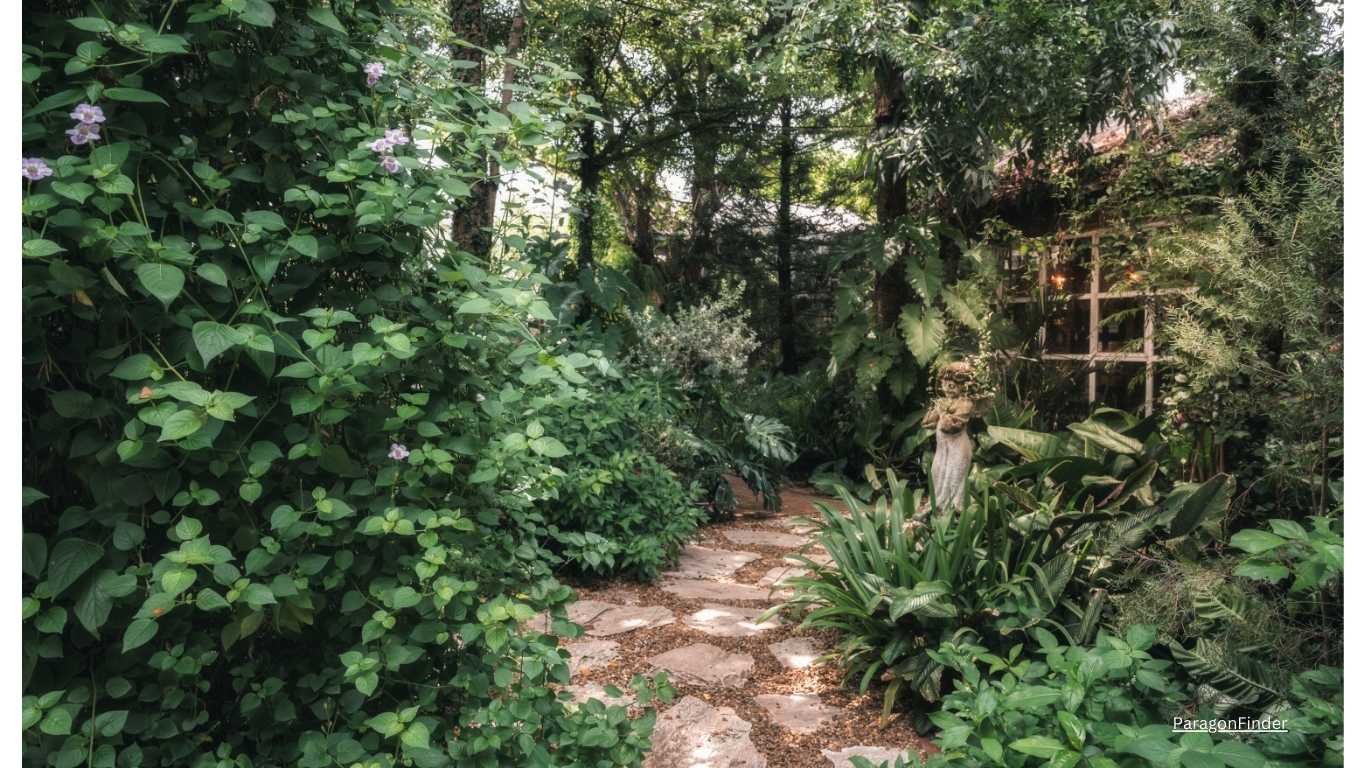
Understanding Shade in Your Garden
Before diving into the list of flowers, it’s essential to understand the different types of shade that can affect your garden. Shade isn’t one-size-fits-all, and recognizing the kind of shade you have will help you choose the best plants for your space.
1. Full Shade: Areas that receive less than three hours of direct sunlight per day.
2. Partial Shade: Areas that receive three to six hours of direct sunlight per day.
3. Dappled Shade: Areas where sunlight filters through tree leaves, creating a mix of light and shadow.
Knowing the type of shade in your garden will guide you in selecting the most suitable flowers.
Best 10 Flowers That Thrive in Shady Gardens
1. Hostas
Hostas are a popular choice for shady gardens due to their lush foliage and ease of care. These plants come in various shades of green, blue, and even variegated patterns, making them versatile for different garden designs. While hostas are mainly grown for their leaves, they also produce delicate flowers in the summer, adding a touch of elegance to your garden.
Personal Experience: I’ve planted hostas in the shaded area under a large oak tree in my backyard. They’ve thrived with minimal maintenance, and their foliage has added a lush, tropical feel to that part of the garden.
2. Astilbes
Astilbes are known for their feathery plumes of flowers that come in shades of pink, red, white, and purple. These flowers thrive in shady gardens and are perfect for adding a splash of color. They prefer moist, well-drained soil and can be a focal point in your garden design.
Personal Experience: I planted astilbes along the north side of my house, where they receive only a few hours of morning sunlight. Their vibrant blooms have brightened up the space and provided a lovely contrast to the green foliage around them.
3. Bleeding Heart (Dicentra)
Bleeding hearts are romantic, old-fashioned flowers that thrive in shady gardens. Their heart-shaped flowers, which dangle delicately from arching stems, come in pink, red, and white. They prefer cool, moist soil and can add a whimsical touch to your garden.
Personal Experience: I’ve found bleeding hearts to be particularly charming in my woodland garden. Their unique shape and graceful appearance make them a favorite among visitors.
4. Lungwort (Pulmonaria)
Lungwort is an early spring bloomer that thrives in shady areas. Its flowers range from blue and pink to white, and its foliage is often speckled with white or silver spots. This plant prefers moist, well-drained soil and can add a touch of brightness to darker garden areas.
Personal Experience: I planted lungwort along a shaded pathway, and it has flourished beautifully, creating a lovely border with its colorful blooms and interesting foliage.
5. Japanese Forest Grass (Hakonechloa)
Although not a flower, Japanese forest grass deserves a spot on this list due to its stunning ornamental qualities. This grass thrives in shady gardens and adds texture and movement with its cascading leaves, which come in shades of green, yellow, and variegated patterns.
Personal Experience: I incorporated Japanese forest grass into my shade garden design, and it has provided a soft, flowing element that complements the more rigid shapes of the other plants.
6. Toad Lily (Tricyrtis)
Toad lilies are exotic-looking flowers that thrive in shady gardens. They bloom in late summer to early fall, providing much-needed color when many other plants have finished flowering. Their unique, orchid-like flowers come in shades of purple, blue, and white, often with spots or patterns.
Personal Experience: I planted toad lilies in a shaded corner of my garden, and their unusual blooms have been a delightful surprise each autumn. They’ve also proven to be quite hardy and resilient.
7. Coral Bells (Heuchera)
Coral bells are versatile perennials that thrive in shady gardens. They are known for their colorful foliage, which can range from deep burgundy to lime green, and their delicate, bell-shaped flowers that rise on tall stems. Coral bells prefer well-drained soil and can add a pop of color throughout the year.
Personal Experience: I’ve had great success with coral bells in my garden, especially in areas that receive dappled shade. Their foliage adds a vibrant touch, and they’re relatively low maintenance.
8. Foxglove (Digitalis)
Foxgloves are tall, stately flowers that thrive in partial shade. Their tubular flowers, which come in shades of pink, purple, white, and yellow, attract bees and hummingbirds, adding life to your garden. They prefer well-drained soil and can create a striking vertical element in garden designs.
Personal Experience: I planted foxgloves along the edge of a wooded area, where they receive filtered sunlight. Their towering spikes of flowers have added height and drama to the landscape.
9. Hellebores (Helleborus)
Hellebores, also known as Lenten roses, are early bloomers that thrive in shady gardens. Their nodding flowers come in various colors, including white, pink, purple, and green. They prefer well-drained, rich soil and can tolerate cold temperatures, making them a great addition to winter gardens.
Personal Experience: Hellebores have been a reliable and beautiful addition to my garden, especially during the early spring months when not much else is blooming. Their long-lasting flowers provide much-needed color after a long winter.
10. Solomon’s Seal (Polygonatum)
Solomon’s seal is a graceful plant that thrives in shady gardens. It has arching stems with dangling, bell-shaped flowers in white or pale green. This plant prefers moist, well-drained soil and adds elegance to shaded borders and woodland gardens.
Personal Experience: I planted Solomon’s seal in a shaded bed near my patio, and its arching stems and delicate flowers have created a serene and peaceful atmosphere.
Tips for Growing Flowers in Shady Gardens
Growing flowers in shady gardens requires some specific considerations to ensure your plants thrive. Here are a few tips to help you succeed:
1. Choose the Right Plants: As highlighted in this article, selecting flowers that are naturally adapted to shade is crucial. Each plant has its specific light requirements, so be sure to match them with the type of shade in your garden.
2. Soil Preparation: Shady areas often have soil that retains moisture longer. Ensure your soil is well-drained and enriched with organic matter to provide the necessary nutrients for your plants.
3. Watering: While shady gardens don’t dry out as quickly as sunny ones, it’s essential to maintain consistent moisture levels. Be careful not to overwater, as this can lead to root rot.
4. Mulching: Mulch helps retain moisture and keeps the soil cool, which is beneficial for shade-loving plants. It also helps suppress weeds that compete for nutrients.
5. Pruning and Maintenance: Regularly prune overhanging branches and remove dead or diseased foliage to improve air circulation and light penetration. This helps prevent fungal diseases and promotes healthier plants.
6. Planting Arrangement: Consider layering your plants to create depth and interest. Taller plants can be placed at the back or center, with shorter ones in front, to maximize the use of space and light.
Designing a Shady Garden
Designing a shady garden can be an exciting challenge. Here are a few design ideas to help you create a beautiful and harmonious garden space:
1. Focus on Foliage: In a shady garden, foliage often takes center stage. Choose plants with interesting leaf shapes, colors, and textures to create visual interest even when flowers aren’t in bloom.
2. Incorporate Pathways: Pathways made of stone, gravel, or wood can add structure and accessibility to your garden. They also help define different planting areas and create a sense of flow.
3. Use Garden Art: Incorporate garden art, such as sculptures, bird baths, or decorative pots, to add focal points and personality to your garden.
4. Create Seating Areas: A shady garden can be a perfect spot for a cozy seating area. Place a bench or a couple of chairs where you can relax and enjoy the tranquility of your garden.
5. Consider Color: While shade gardens might not have the same vibrant colors as sunny gardens, you can still play with color through foliage, flowers, and garden accessories. Subtle hues and pastel colors often work well in shaded spaces.
6. Add Water Features: A small pond, fountain, or birdbath can add a soothing element to your garden. The sound of water can create a peaceful ambiance and attract wildlife.
Conclusion
Transforming a shady garden into a vibrant and colorful space is entirely achievable with the right plants and design strategies. The best 10 flowers that thrive in shady gardens, such as hostas, astilbes, and bleeding hearts, offer a range of colors, textures, and forms that can bring life to even the darkest corners of your yard. By understanding the specific needs of shade-loving plants and incorporating thoughtful design elements, you can create a beautiful garden oasis that you’ll enjoy for years to come.