
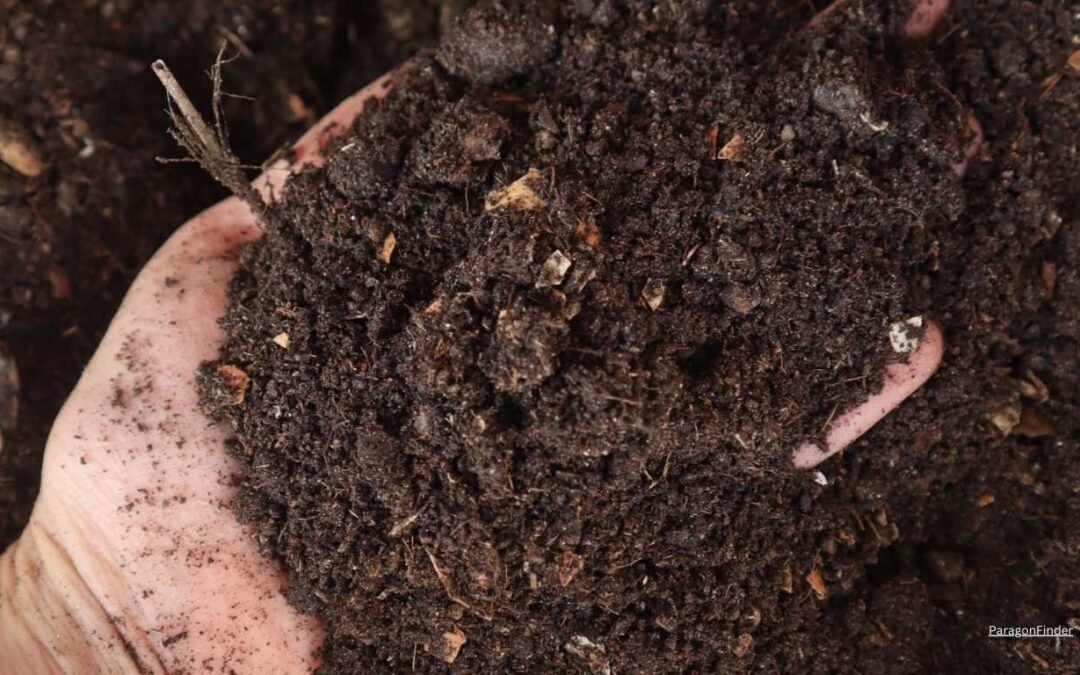
Sandy soil can be challenging for gardeners and farmers due to its tendency to drain quickly, retain few nutrients, and often lack organic matter. However, with the right techniques and materials, sandy soil can be transformed into a fertile and productive medium for growing a wide variety of plants. In this article, we’ll explore various methods to amend sandy soil, sharing both practical advice and personal experiences to help you achieve the best results.

Understanding Sandy Soil
Before diving into the amendments, it’s essential to understand what makes sandy soil unique. Sandy soil is characterized by its large, coarse particles. This structure creates significant gaps between particles, leading to:
- Rapid drainage: Water moves quickly through sandy soil, which can be beneficial in preventing waterlogging but problematic in drought conditions.
- Poor nutrient retention: Nutrients leach out of the soil rapidly, making it difficult for plants to access essential minerals.
- Low organic matter: Sandy soil often lacks the organic content necessary for healthy plant growth.
These characteristics necessitate specific strategies to amend sandy soil effectively.
Benefits of Amending Sandy Soil
Amending sandy soil offers numerous benefits:
1.Improved water retention: Adding organic matter helps retain moisture, reducing the need for frequent watering.
2.Enhanced nutrient availability: Amendments can slow nutrient leaching and improve soil fertility.
3.Increased microbial activity: Healthy soil amendments promote beneficial microbial populations, essential for plant health.
4.Better plant growth: Overall, amended soil supports more vigorous and productive plant growth.
Personal Experience: Transforming My Sandy Garden
When I first started gardening in my backyard, I was excited to grow a variety of vegetables and flowers. However, I quickly realized that my soil was predominantly sandy. My plants struggled to thrive, wilting quickly in the summer heat and showing signs of nutrient deficiencies. Determined to create a lush garden, I researched and experimented with different soil amendments. Here’s what worked for me.
Step-by-Step Guide to Amending Sandy Soil
1.Add Organic Matter
Organic matter is the cornerstone of amending sandy soil. It improves water retention, adds essential nutrients, and supports beneficial microbial life. Here are some excellent sources of organic matter:
- Compost: Homemade or store-bought compost is rich in nutrients and beneficial microbes. Spread a 2-3 inch layer over your soil and work it in to a depth of 6-8 inches.
- Manure: Well-rotted manure from cows, horses, or chickens adds organic matter and nutrients. Apply it similarly to compost, ensuring it’s fully decomposed to avoid burning plants.
- Peat moss: While peat moss can help with water retention, it’s best used sparingly due to its acidity and environmental concerns regarding its harvesting.
Personal tip: I started a compost bin using kitchen scraps, yard waste, and coffee grounds. Over time, this provided a steady supply of rich compost that significantly improved my soil.
2.Incorporate Cover Crops
Cover crops, also known as green manures, are plants grown specifically to be tilled back into the soil. They add organic matter, improve soil structure, and suppress weeds. Good options for sandy soil include:
- Legumes: Plants like clover, vetch, and peas fix nitrogen in the soil, enhancing fertility.
- Grasses: Ryegrass and oats grow quickly and add substantial biomass.
After growing these crops, chop them down and till them into the soil. This process improves soil texture and nutrient content over time.
Personal tip: I planted crimson clover in the fall, which not only looked beautiful but also enriched my soil with nitrogen when tilled in the spring.
3.Apply Mulch
Mulching is a simple yet effective way to improve sandy soil. It helps retain moisture, regulate soil temperature, and suppress weeds. Suitable mulch materials include:
- Wood chips: These decompose slowly, adding organic matter over time.
- Straw: A lightweight option that breaks down more quickly.
- Leaf mold: Fallen leaves that have decomposed into a rich, crumbly material.
Spread mulch around plants to a depth of 2-4 inches, keeping it away from the stems to prevent rot.
Personal tip: I used a combination of wood chips and straw in my vegetable garden. This not only kept the soil moist but also enriched it as the mulch broke down.
4.Amend with Biochar
Biochar is a form of charcoal that is used to improve soil health. It enhances water retention, provides a habitat for beneficial microbes, and can store nutrients. To use biochar:
- Activate it first: Mix biochar with compost or soak it in a nutrient solution before adding it to the soil. This ensures it doesn’t draw nutrients away from plants.
- Incorporate it: Work biochar into the top 6-8 inches of soil at a rate of 5-10% by volume.
Personal tip: I experimented with biochar in a small section of my garden. After a few months, I noticed improved plant growth and healthier soil structure.
5.Use Soil Conditioners
Soil conditioners are materials added to improve soil properties. For sandy soil, consider the following:
- Clay: Adding small amounts of clay can help improve water retention and nutrient-holding capacity. Be careful not to overdo it, as too much can lead to compaction.
- Gypsum: This mineral helps improve soil structure and can aid in nutrient retention.
Personal tip: I mixed a small amount of powdered clay into my soil one year. The results were noticeable, with better moisture retention and more robust plant growth.
6.Long-Term Maintenance of Amended Sandy Soil
Amending sandy soil is not a one-time task but an ongoing process. Here are some tips for maintaining your soil’s health over the long term:
- Regularly add organic matter: Continuously incorporating compost, manure, and other organic materials ensures your soil remains fertile.
- Rotate crops: Crop rotation helps prevent nutrient depletion and reduces pest and disease issues.
- Monitor soil health: Regular soil testing can help you track nutrient levels and make necessary adjustments.
Personal tip: I make it a habit to top-dress my garden beds with compost every spring and fall. This routine keeps my soil in excellent condition and my plants thriving.
Challenges and Solutions
Amending sandy soil can come with its own set of challenges. Here are some common issues and how to address them:
1.Challenge: Nutrient Leaching
Due to its coarse texture, sandy soil tends to lose nutrients quickly.
Solution: Regularly add organic matter and consider using slow-release fertilizers to provide a steady supply of nutrients.
2.Challenge: Water Management
Sandy soil dries out quickly, which can be a problem in hot, dry climates.
Solution: Mulch generously and consider installing a drip irrigation system to ensure consistent moisture.
3.Challenge: Soil Compaction
Although less common in sandy soil, compaction can still occur, especially if clay amendments are used excessively.
Solution: Avoid walking on garden beds and use raised beds to minimize compaction.
Personal Reflections: The Rewards of Persistence
Amending sandy soil has been a rewarding journey for me. While it required time, effort, and patience, the results were well worth it. My garden transformed from a dry, barren patch into a vibrant, productive space teeming with healthy plants. The vegetables grew larger and more flavorful, and the flowers flourished, attracting bees and butterflies. This experience reinforced the importance of understanding soil and investing in its health.
Conclusion
Amending sandy soil is a worthwhile endeavor that can significantly enhance your gardening success. By adding organic matter, using cover crops, applying mulch, incorporating biochar, and utilizing soil conditioners, you can transform sandy soil into a fertile, productive medium. Remember that soil health is an ongoing commitment, requiring regular maintenance and attention. With persistence and the right techniques, your sandy soil can support a thriving garden, yielding bountiful harvests and beautiful blooms.
Whether you’re a seasoned gardener or a beginner, the journey of amending sandy soil can be both educational and deeply satisfying. Embrace the process, experiment with different amendments, and enjoy the transformation of your garden. Happy gardening!