
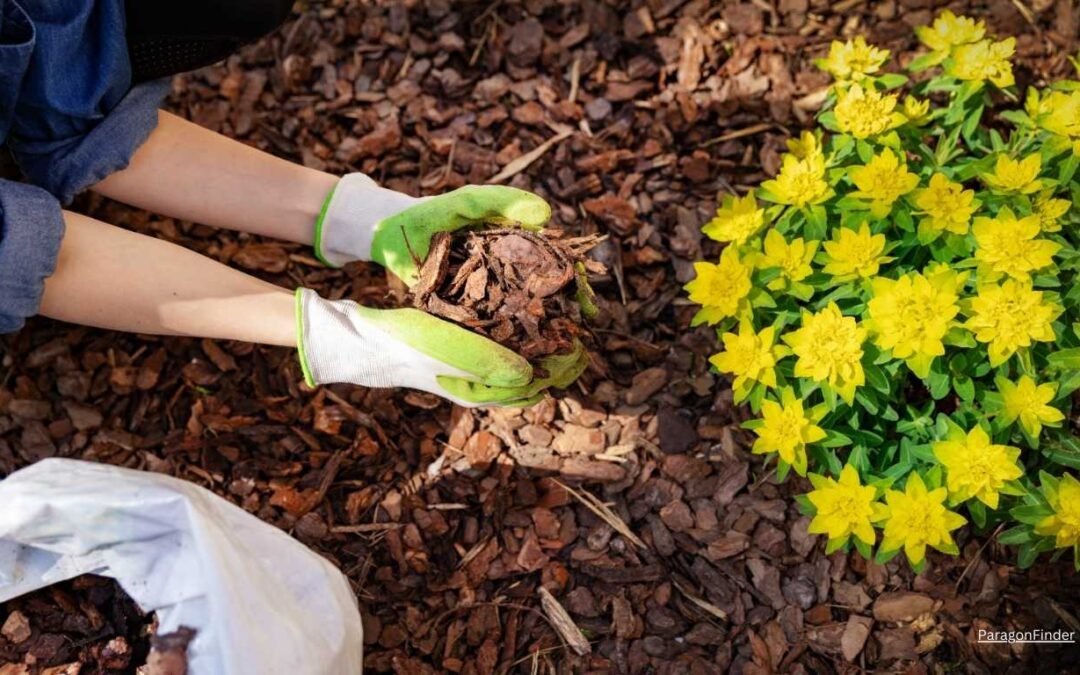
Gardening can be a delightful hobby, providing a sense of accomplishment and a beautiful outdoor space. One question that often arises is, “Will flower seeds grow in mulch?” This question is essential for anyone looking to create a vibrant garden, as mulch plays a significant role in gardening. In this article, we will explore the relationship between flower seeds and mulch, sharing personal experiences and practical advice to help you create the garden of your dreams.
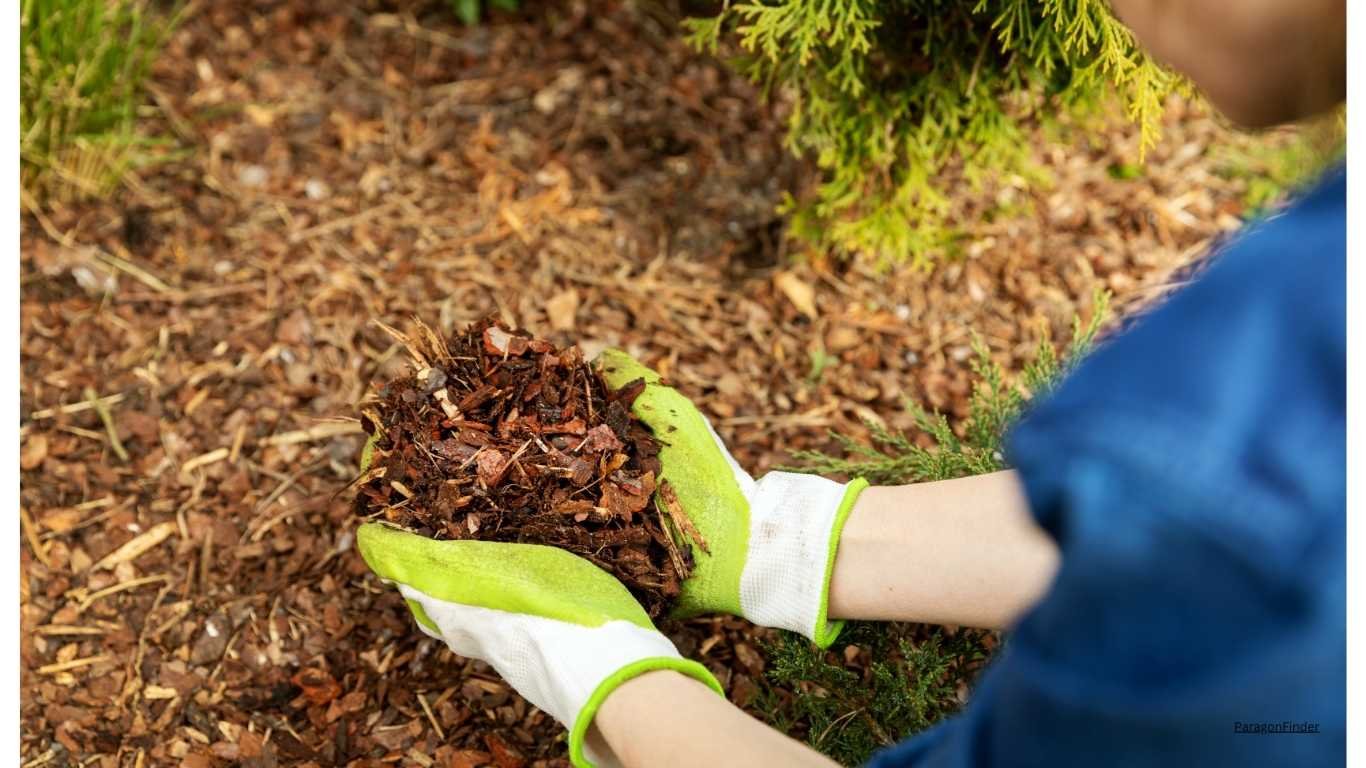
Before delving into whether flower seeds will grow in mulch, it’s crucial to understand what mulch is and its purpose in gardening. Mulch is a protective layer spread over the soil, consisting of organic or inorganic materials. Common types of mulch include wood chips, bark, straw, grass clippings, compost, and even gravel or plastic sheeting.
Mulch serves several vital functions in a garden:
Moisture Retention: It helps the soil retain moisture by reducing evaporation.
Weed Suppression: A thick layer of mulch can prevent weed seeds from germinating and growing.
Soil Temperature Regulation: Mulch keeps the soil cooler in the summer and warmer in the winter.
Aesthetic Appeal: It provides a tidy and attractive look to garden beds.
Will Flower Seeds Grow in Mulch?
The straightforward answer to the question “Will flower seeds grow in mulch?” is not entirely clear-cut. It depends on several factors, including the type of mulch, the depth of the mulch layer, and the specific flower seeds being planted.
Type of Mulch
Different mulches have varying effects on seed germination. Organic mulches like compost and finely shredded leaves can sometimes support seed growth better than coarse mulches like wood chips or bark. This is because fine mulches decompose more quickly, providing nutrients to the seeds and allowing them to establish roots more easily.
In my personal experience, using a light layer of compost as mulch has been particularly effective for growing flower seeds. A few years ago, I decided to experiment with planting marigold seeds directly into a bed covered with a thin layer of compost. To my delight, the seeds germinated successfully, resulting in a vibrant display of marigolds throughout the summer.
Depth of Mulch
The depth of the mulch layer is a critical factor in determining whether flower seeds will grow. If the mulch is too thick, it can create a barrier that prevents seeds from reaching the soil and germinating. Conversely, a thin layer of mulch can allow seeds to make contact with the soil while still benefiting from the mulch’s protective properties.
For example, when I tried planting wildflower seeds in a bed covered with a thick layer of wood chips, the seeds struggled to germinate. However, when I reduced the mulch layer to about half an inch, the seeds had a much better chance of reaching the soil and sprouting.
Specific Flower Seeds
Different flower seeds have different requirements for germination. Some seeds need light to germinate and should not be buried under mulch, while others can tolerate or even benefit from a light covering. Always check the specific requirements for the flower seeds you are planting.
Tips for Successfully Growing Flower Seeds in Mulch
While the question “Will flower seeds grow in mulch?” doesn’t have a one-size-fits-all answer, there are several tips you can follow to improve your chances of success:
Choose the Right Mulch: Opt for a fine, organic mulch like compost or finely shredded leaves. Avoid using coarse mulches that create a thick barrier.
Use a Thin Layer: Apply a thin layer of mulch, about half an inch to an inch thick. This allows seeds to reach the soil while still benefiting from the mulch’s properties.
Prepare the Soil: Ensure the soil beneath the mulch is well-prepared, with good drainage and a fine texture. This provides an ideal environment for seed germination.
Plant Seeds Correctly: Follow the specific planting instructions for your flower seeds. If the seeds need light to germinate, press them gently into the mulch without covering them completely.
Water Regularly: Keep the mulch and soil consistently moist, but not waterlogged. Mulch helps retain moisture, but seeds still need regular watering to germinate and establish.
Monitor Growth: Keep an eye on your seeds and seedlings. If you notice any issues with germination, consider adjusting the mulch layer or trying a different type of mulch.
Personal Experiences with Growing Flower Seeds in Mulch
A Journey with Zinnias
One summer, I decided to plant zinnia seeds in a mulched flower bed. I chose a compost mulch, spread thinly over the soil. Zinnias are known for their vibrant colors and resilience, making them a popular choice for many gardeners.
To my delight, the zinnia seeds germinated quickly, pushing through the compost layer and establishing strong roots in the soil beneath. Throughout the summer, the zinnias bloomed profusely, creating a stunning display of red, orange, and pink flowers. This experience reinforced the importance of choosing the right type of mulch and applying it correctly.
Struggles with Sunflowers
In contrast, I faced challenges when trying to grow sunflower seeds in a bed covered with wood chips. The thick layer of wood chips created a barrier that the sunflower seeds struggled to penetrate. After several failed attempts, I decided to remove most of the wood chips, leaving just a thin layer. This adjustment made a significant difference, and the sunflower seeds eventually germinated and grew into tall, impressive plants.
Alternatives to Planting Seeds Directly in Mulch
If you find that growing flower seeds in mulch is challenging, there are alternative methods to consider:
Plant Seeds First, Mulch Later: One effective approach is to plant your flower seeds directly into the soil and then add a thin layer of mulch around the seedlings once they have germinated and established. This method ensures that the seeds have direct contact with the soil, improving their chances of successful germination.
Use Seed Starters or Pots: Start your flower seeds indoors or in small pots, then transplant the seedlings into your garden bed with mulch once they are strong enough. This method allows you to control the growing environment and provides the young plants with a head start.
Create Mulch-Free Zones: Designate specific areas in your garden bed where you do not apply mulch, creating zones for direct seed planting. Once the seeds have germinated and the seedlings are established, you can add mulch around them to benefit from its protective properties.